When a public company issues a press release or some other news becomes public, it can cause a stock to be “in play.” This is especially true if the news brings unexpected and significant information. Such news attracts more attention, increases trading volume, boosts volatility, and creates more opportunities. Many developing traders avoid stocks with breaking news, but in reality, stocks with fresh, unexpected, and clearly good or bad news are excellent trading vehicles!
These “in-play” stocks tend to have substantial and real order flow (causing the stock to trend) because financial institutions and large hedge funds must reassess their opinions about the stock based on the breaking news and reposition themselves accordingly. You are only as good as the market you trade, so it’s essential to learn how to trade stocks that move several average true daily ranges (ATR) on multiple average daily volumes (ADV). Trading stocks in play is especially beneficial during periods of low overall market volatility, as these stocks tend to have minimal correlation with indexes.
Not every stock that moves is a good trading vehicle. Some stocks are volatile but too illiquid. Others are extremely liquid but barely move. What we are really looking for is the combination of both: liquidity and volatility. A simple way to rank instruments is to use what we call Liquid Volatility: Average Daily Volume × Daily Average True Range × Percentage Daily Average True Range
LqdVlty = AvgV × ATR × ATR / Close
Where ATR / Close gives more weight to stocks that move more in percentage terms helping balance higher-priced stocks against lower-priced ones. We do not need to multiply the percentage ATR by 100 because the purpose is to rank instruments against each other. Multiplying every result by 100 would change the number, but not the ranking.
The watchlist screenshot shows Top 15 NYSE and NASDAQ stocks that trade more than 2 million shares per day and costs more than $5 with ATR more than $0.3, ranked by Liquid Volatility. This is how you should think about trading instruments: not as random tickers on a screen, but as a filtered universe where you can determine whether an instrument has enough volume, enough movement – basically enough institutional participation to create real trading opportunities.
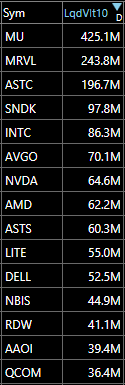
Even if we limit the NYSE and NASDAQ watchlist to the point where the LqdVlty score drops to ~1M, the universe still contains ~300 tradable instruments. These are not random low-quality names — they are NYSE and NASDAQ stocks with meaningful daily volume, measurable volatility, and enough institutional participation to create real order flow.
Each of these companies reports earnings 4 times per year – that alone creates around 1,200 scheduled earnings events per 250 trading days before we even consider other catalysts such as guidance changes, analyst upgrades and downgrades, FDA decisions, investigations, product launches, or major industry news.
That scale of opportunity is hard to compare to chasing meme coins in crypto or trading only index/commodity futures every day. In crypto, many tokens are not real trading opportunities — they are low-liquidity traps where someone is looking for exit liquidity. As for index/commodity futures, the number of instruments is simply too low. But sometimes crypto markets do give you excellent instruments to trade. Take a look at this top 15 list of crypto instruments sorted by Liquid Volatility.
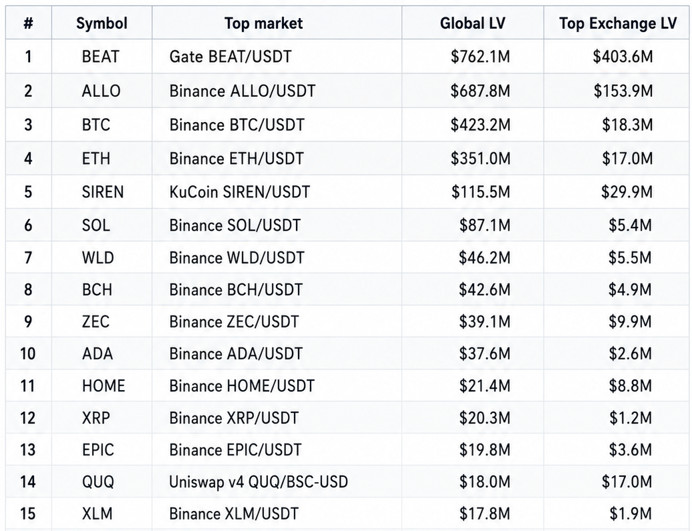
Yes, there are not many instruments, and the LV score drops very quickly, but the numbers at the top are very strong. At the time this screenshot was taken, you would focus on trading the top 2 instruments from this list, since they were in play and attracting a lot of hype.
So whatever you trade, apply this formula in your screener on the daily timeframe to rank the best trading vehicles for yourself.
Catalysts to Watch For:
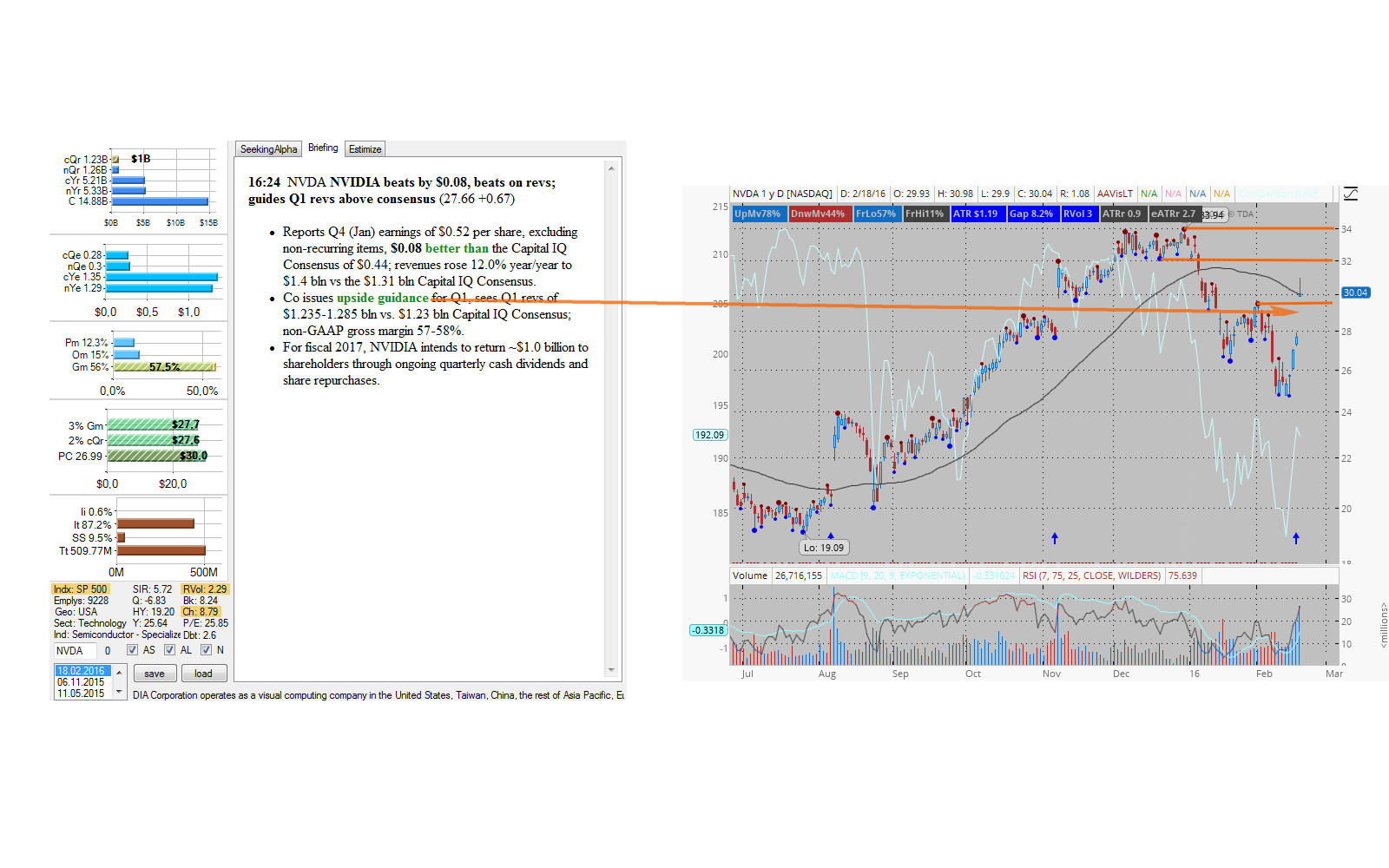
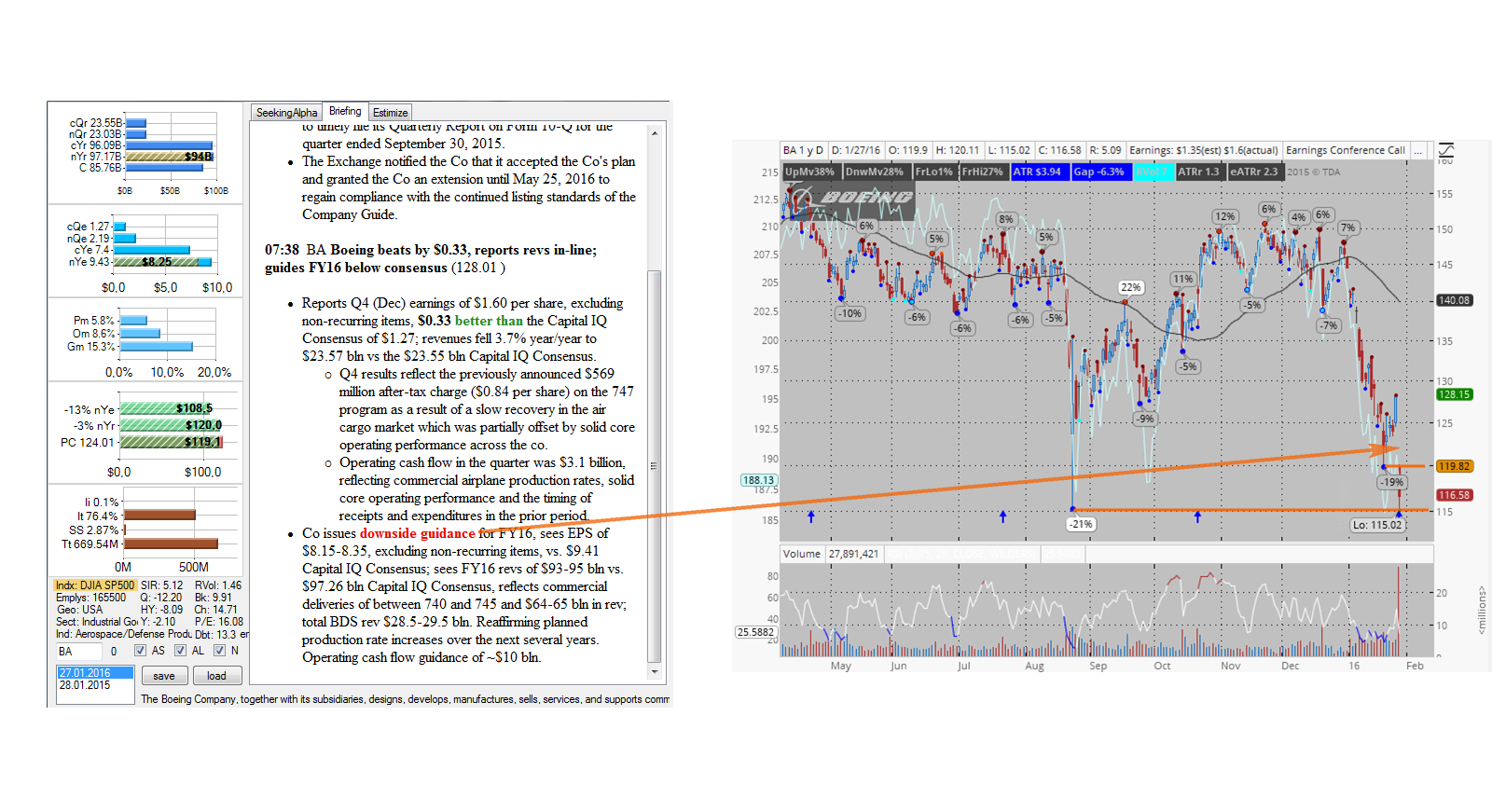
Markets are highly efficient, so ranking instruments by Liquid Volatility alone is not enough. A stock can have enough volume and enough movement, but we still need a catalyst that creates a real supply-demand imbalance and forces real buying and selling. In crypto, hype itself can sometimes become the catalyst, and because many crypto instruments have lower institutional participation and thinner overall liquidity, that hype can quickly push them to the top of a Liquid Volatility ranking. In stocks, we are looking for something more concrete: a piece of new information that makes large funds, institutions, and hedge funds reassess value. These are the types of catalysts that can create real order flow:
- A company revises revenue guidance higher or lower than Wall Street expectations.
- A company adjusts earnings guidance above or below expectations.
- Margins are significantly better or worse than anticipated.
- A new product launch that was unexpected.
- Gaining or losing market share.
- Phase II or Phase III clinical study results for an upcoming drug.
- Government investigations.
- Multiple upgrades or downgrades from top-tier banks (e.g., Goldman Sachs, Morgan Stanley, Citigroup).
- A stock with high short interest (over 25%) when news hits.
- Breaking out from multi-year consolidation.
- Sector or industry strength/weakness
Breaking news often emerges during after-hours or pre-market trading, resulting in price gaps when the market opens. Some traders avoid trading these gaps, believing the new information has already been factored in. However, the reality is that pre-market and after-hours trading sessions are typically too illiquid for institutions and hedge funds to execute large transactions. This creates opportunities for significant moves once regular trading hours begin as funds and institutions start running their buy and sell programs.
gl hf